What is British Parliamentary Debating?
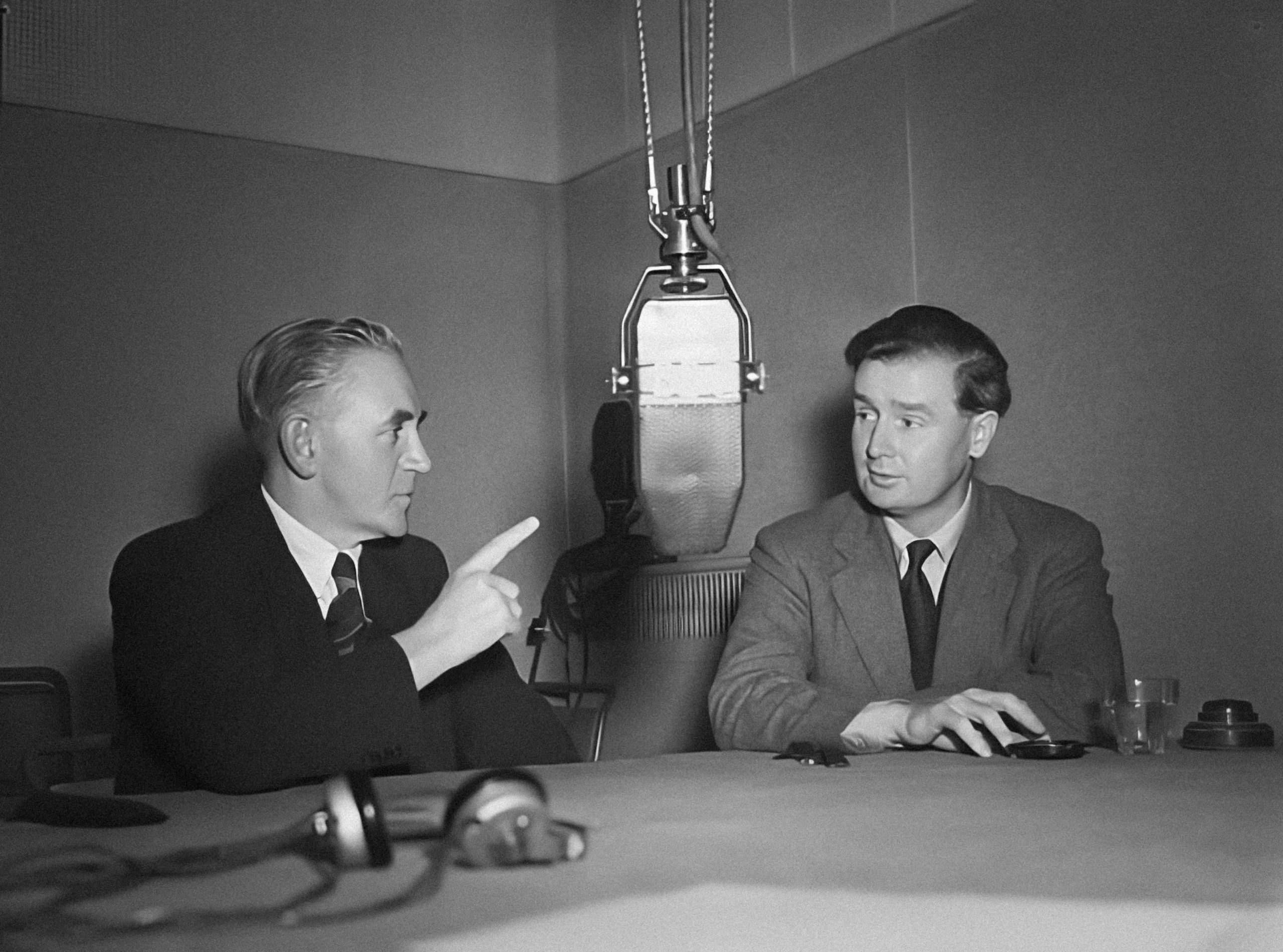
British Parliamentary (BP) debating is a formal style involving four teams: two for the motion and two against it. Each team consists of two speakers, and every participant is given a specific role to fulfill within the debate. Unlike simpler formats, the two teams on the same side are also competing against each other to offer the most unique and persuasive arguments.
The motion is revealed only fifteen minutes before the round begins. During this time, electronic devices are put away and students must prepare their cases using only their existing knowledge and logic. This style is used to develop a deep understanding of complex issues, as it requires speakers to analyze topics from multiple political and social perspectives under a tight time limit.
To ensure the debate remains structured, the four teams are divided into two halves. While the teams on the same side share the same overall goal, they are judged on the unique value they bring to the floor.
The Opening Half
The first two teams are responsible for setting the stage and defining the terms of the debate.
- Opening Government: This team defines the motion and presents the primary case for why the proposal should be adopted. They lay the groundwork for the entire round.
- Opening Opposition: Their role is to directly challenge the government’s case. They provide counter-arguments and explain the potential harms or logical flaws in the proposal.
The Closing Half
The final two teams must add something new to the conversation without contradicting their partners in the opening half.
- Closing Government: This team introduces an “extension,” which is a new argument or a deeper analysis that the first team missed. They must prove why their specific contribution makes them the winning side.
- Closing Opposition: Similarly, this team brings a fresh perspective to the opposition side. Their final speaker, the “Whip,” summarizes the entire debate and explains why their team’s unique points were the most important.
To see how this works in practice, consider a motion we recently debated: “This House believes that history should be a mandatory subject in schools until graduation.”
In a BP round, the four teams would analyze this from distinct perspectives:
- Opening Government: The first team might argue that a shared understanding of history is essential for a functional democracy, as it ensures voters are informed about how their political systems were built.
- Opening Opposition: This team could counter by focusing on the economy, arguing that forcing history on all students takes away valuable time from specialized STEM or vocational training.
- Closing Government: The third team must find a new “extension” or a deeper angle. They might focus on the philosophical necessity of historical identity and how it helps society avoid repeating the ethical failures of the past.
- Closing Opposition: The final team might pivot the debate toward the risk of indoctrination, suggesting that mandatory history can be used by states to push a specific political narrative rather than objective facts.
This example illustrates that the style is not just about being “right” or “wrong.” Instead, the goal is to explore different paradigms and layers of an issue to see which team can provide the most compelling and nuanced analysis.
- How does the Opening Government define a “Marxist Revolution” to make it a debatable policy rather than an abstract concept?
- At what point does the Closing Government shift the focus away from the opening team’s arguments to introduce their own unique “extension”?
- How do the Whips (the final speakers for each side) summarize the “clashes” of the round without introducing entirely new arguments?
- When a debater stands up to offer a Point of Information (POI), how does the speaker on the floor handle the interruption without losing their momentum?
- Does the Closing Opposition successfully support their opening team’s stance while still proving that their specific analysis is the most important in the room?
- How does the Opening Opposition reframe the debate from a “principled” discussion to a “pragmatic” one about real-world consequences?
- Which specific argument from the Government side receives the most attention and rebuttal from the Opposition speakers?
- What does each team identify as their primary “burden”—the main thing they must prove to win the round?
- While the speeches are fast-paced, which moments of rhetoric or “flair” actually help clarify a complex philosophical point?